The reference stays portable.
We intend to publish openly licensed data, open-source tools, public schemas, and correction history. Build with us—or take the reference with you.
An open data initiative by RxAI
Medicine data, made common.
An open network connecting the people who make medicines with the people who build with their data.
A substantial starting point
drug imprint images in RxAI’s collection
01 / The foundation
We’re starting with images and imprints. We’re building toward a shared, living reference for medicine identity—easy to publish to, easy to build with, and designed to improve.
RxAI-reported collection size, not unique products or a public release. Provenance, licensing, and release eligibility will be assessed before publication.
02 / A better feedback loop
Manufacturers know the product.
Software puts the data to
work.
Pharmacies see it in the real world.
01 / Manufacturers
Publish authoritative images, imprint details, and product changes once. Help every connected tool work from a better reference.
Visibility into missing references, appearance differences, and difficult-to-read imprints.
The proposed network starts with product data. Pharmacy observations are permissioned contributions—not patient records by default.
From data to real-world products
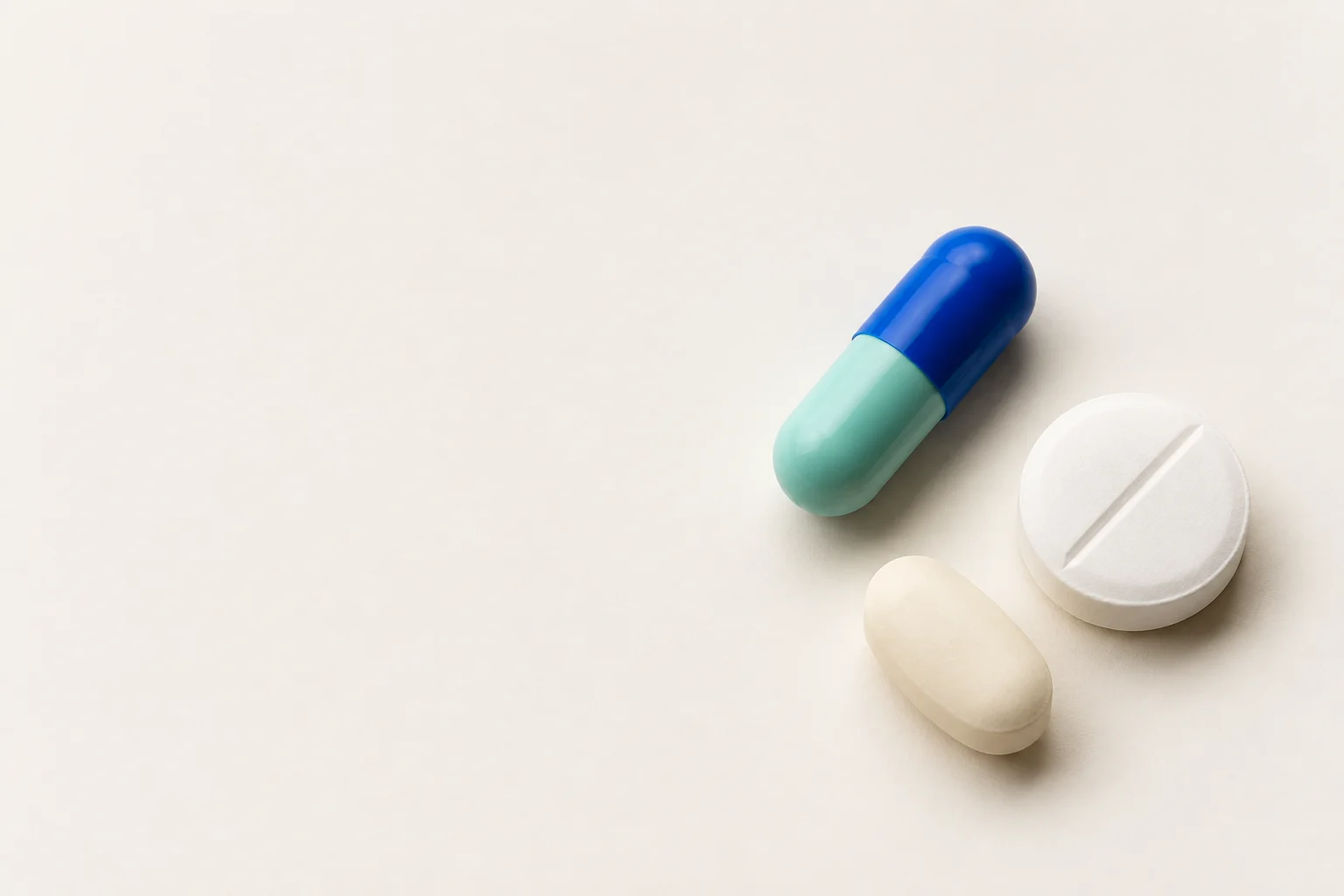
A pill’s outline. Its color. The letters on its surface. This is the kind of detail that makes better pharmacy tools possible.
Explore RxAI Count & Identify A preview of what we’re building at RxAI.03 / For the builders
Drug data should feel like the rest of your stack. Clear identifiers. Traceable images. Predictable responses. One place to start.
/v1/ndc/{ndc}
{
  "ndc": "{ndc}",
  "imprint": {
    "front": "DEMO",
    "back": null
  },
  "appearance": {
    "shape": "round",
    "color": "white"
  },
  "provenance": "manufacturer_declared",
  "review_status": "example_only"
}04 / For the source of truth
Public labeling gives us a starting point. Your product feed can make it more complete—and keep it closer to what you actually manufacture.
In return, see where your products are harder to recognize, where images are missing, and what needs a closer look.
Explore contributing05 / Our commitment
We intend to publish openly licensed data, open-source tools, public schemas, and correction history. Build with us—or take the reference with you.
Manufacturer-supplied, real-world, and synthetic images stay distinguishable. Generated references link back to their evidence; they never count as independent validation.
Permissioned observations. Clear contribution terms. No patient-level information in public releases. Useful feedback without a hidden data exchange.
The plan: a free, downloadable reference. Paid hosting, scale, integrations, and support help keep it useful. Licenses and release terms will accompany the public pilot.
06 / From collection to commons
Images and imprints first.
The connected medicine-data
network
comes next.
149k drug imprint images in RxAI’s existing collection. A foundation to curate, map, and assess for release.
A rights-cleared subset, transparent provenance, public downloads, and a developer-friendly interface.
Manufacturer feeds. Permitted pharmacy observations. Better references and useful contributor feedback.
An invitation to build it together
RXID COMMONS / BY RXAI
Make the medicine. Build the software.
Work in the
pharmacy.
There’s a place for you here.
Not yet. This site presents the direction and interactive API design, not a running data service. The 149k-image collection already exists within RxAI; a public subset, release terms, and hosted access are the next steps.
The collection size is not a public-release commitment. Each source needs appropriate rights, product mapping, and provenance review. The eligible subset and its real-versus-synthetic breakdown will be disclosed with the release.
Product and package identifiers, both-side reference images, imprint text and symbols, color, shape, dimensions, effective dates, and product-change events. Explicit permissions for hosting, redistribution, and any model-training use are essential.
Confirmed product identity anchors the observations. Images can cluster into several valid appearances—not just one average. Outliers and changes go to review. Synthetic references can then extend coverage, with their origin and supporting real images clearly linked.
Not at launch. Our focus is medicine identity, images, imprints, and transparent source evidence—not drug-interaction checks, dosing, or comprehensive clinical decision support. This concept and its fictional examples must not be used to identify or dispense medication.